








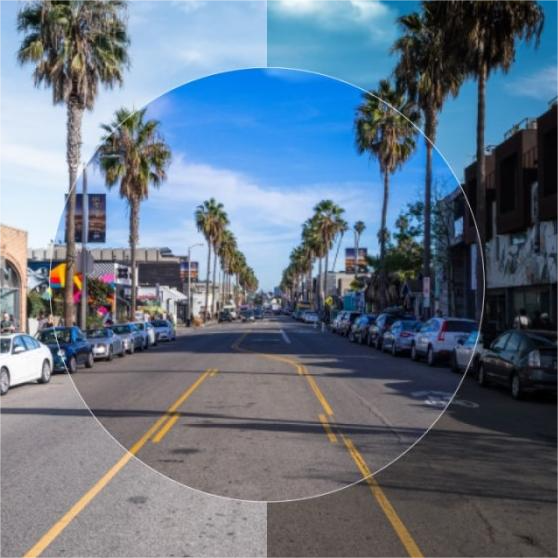





Grey, brown and green are the three lens colours most people choose between, and the right one depends on how you use your sunglasses. Grey keeps colours the most natural, brown adds contrast and warmth, and green sits in between with a classic, slightly cooler look.
Lens colour is not just a style choice. It changes how the world looks through the lens, so it is worth matching it to your day: driving, walking, sport or simply sitting on a terrace.
Grey lenses: the neutral all-rounder
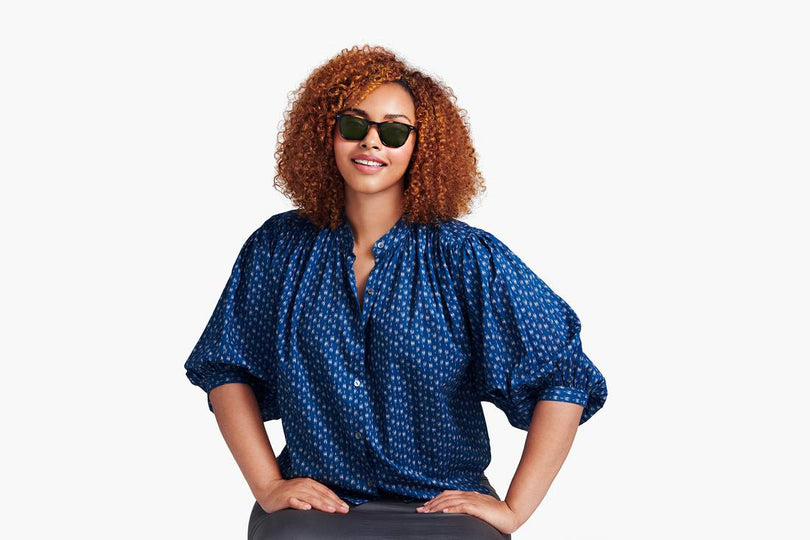
Grey (sometimes called smoke) lenses dim everything evenly without shifting colours. Traffic lights, sky and skin tones look much as they do without sunglasses.
- Best for: driving, city wear, bright beach or snow days.
- Look: understated, works with almost any frame colour.
- Trade-off: less contrast boost on overcast days.
Brown and amber lenses: contrast and warmth
Brown lenses add a warm tint that lifts contrast, especially against green foliage and blue sky. Many people find them comfortable for long days outdoors and in variable light.
They suit hiking, golf, fishing and relaxed everyday wear. Colours do shift slightly towards warm tones, which most wearers stop noticing within minutes.


Green lenses: the classic with a cooler tone
Green lenses keep colour perception fairly true while offering a little extra contrast, a reason they became the traditional aviator choice. They feel crisp in bright sun and look polished with metal and tortoiseshell frames.
Mirrored finishes: a coating, not a colour
A mirror finish is a reflective layer on the outside of the lens. It reduces the amount of light that reaches your eye and gives the lens a distinctive look in blue, silver or gold. Underneath, the lens can still be grey, brown or green.
Lens colour comparison
| Lens colour | Colour accuracy | Contrast | Good for |
|---|---|---|---|
| Grey | Very natural | Moderate | Driving, everyday |
| Brown / amber | Warm shift | High | Outdoor sport, variable light |
| Green | Mostly natural | Moderate to high | Bright sun, classic styles |
Lens colour and light conditions
The same lens behaves differently depending on where you wear it. Bright midday sun, low winter light and the glare off water or snow each favour a different tint.
- Bright, steady sun: grey or green lenses keep things comfortable without changing the scene much.
- Changing light, such as forest trails or partly cloudy days: brown or amber lenses help shapes and edges stand out.
- Reflective surfaces such as water, snow or wet roads: a polarized lens in grey or brown reduces surface glare, and a mirrored finish cuts down overall brightness.
- Evenings and dusk: very dark lenses are usually not the right pick for low light, so choose a lighter tint if you wear sunglasses late in the day.
Common mistakes when picking a tint
A few habits are worth avoiding. Choosing purely by frame colour often leads to a lens that looks great in the mirror but feels harsh outdoors. Judging a lens indoors under shop lights also tells you very little, because the tint only shows its character in daylight.
It also helps to remember that gradient lenses, which are darker at the top and lighter at the bottom, can be handy if you check a phone or a map while wearing them. Solid tints give a more even look and tend to feel more consistent for driving and sport.
Finally, try to keep a second pair in a different tint if you spend time in very different settings. A grey pair for the city and a brown or green pair for the outdoors covers most days without compromise.
How to choose in three steps
- Think about your main activity. Mostly driving or city walking points to grey; trails and open landscapes to brown.
- Consider your frame. Tortoiseshell and gold frames pair well with brown and green, black and silver with grey.
- Check the other features. Lens colour is separate from polarization and UV protection, so confirm both on the product page. Our guide to polarized lenses explains the difference.
If you wear a prescription, these colours are available as prescription sunglasses too. See the prescription sunglasses collection.
Shop this guide


Frequently asked questions
Which sunglass lens colour is best for driving?
Grey is a common choice because it keeps traffic signals and road colours looking natural. Many drivers also like brown for the extra contrast. Pick whichever feels most comfortable and clear to you.
Do darker lenses block more UV?
Not necessarily. Darkness and UV protection are separate properties, so check the product details for the UV rating rather than judging by how dark the lens looks.
Can I get coloured lenses with my prescription?
Yes. Prescription sunglasses can be made with tinted lenses. Use the lens selector on the product page to add your prescription.
Will I notice the colour shift with brown lenses?
For the first few minutes, perhaps. The brain adjusts quickly and most wearers stop noticing the warm tone.
Find your lens colour
Browse the full sunglasses collection or narrow it down in the polarized sunglasses range. Add your prescription in a few clicks with our lens selector.