




















Short answer: the lens index tells you how strongly a lens material bends light. A higher index needs less material to reach the same power, so the lens is thinner and lighter. As a rough rule, 1.56 suits low prescriptions (up to about ±2.00), 1.61 suits moderate ones (about ±2.00 to ±4.00), and 1.67 is the usual pick for stronger prescriptions (about ±4.00 to ±6.00).
Below we explain what the numbers mean, how much thinner each step really is, and how your frame choice affects the final look.
What does lens index mean?
Every lens material has a refractive index: a number that describes how much it slows and bends light. Standard plastic lenses sit at about 1.50. Materials with a higher number bend light more efficiently, so the lens maker can grind a flatter, thinner lens to hit your prescription.
You will usually see these options:
- 1.50 – standard plastic, the thickest option.
- 1.56 – mid-index, a small step thinner than standard.
- 1.61 – high-index, a noticeable step thinner and lighter.
- 1.67 – high-index, clearly thinner for strong prescriptions.
- 1.74 – the thinnest common plastic lens, mostly for very high powers.
1.56 vs 1.61 vs 1.67 at a glance
| Index | Typical prescription range | Thickness vs 1.50 (approx.) | Good to know |
|---|---|---|---|
| 1.56 | Up to about ±2.00 | Around 10–15% thinner | Budget-friendly, fine for mild prescriptions |
| 1.61 | About ±2.00 to ±4.00 | Around 20–25% thinner | Good balance of thinness, weight and clarity |
| 1.67 | About ±4.00 to ±6.00 | Around 30–35% thinner | Slimmer edges and less weight on the nose |
These ranges are guidelines, not hard limits. Exact thickness also depends on your frame size, the lens shape and your pupillary distance.
How to choose the right index for your prescription
Start with the SPH (sphere) and CYL (cylinder) values on your prescription. If you are not sure where to find them, our guide on how to read a prescription walks through each box. Then use the strongest power in either eye as your reference:
- SPH between 0.00 and ±2.00: 1.56 is usually enough. Going higher saves little thickness.
- SPH between ±2.00 and ±4.00: 1.61 is the sweet spot for most people.
- SPH between ±4.00 and ±6.00: 1.67 keeps lenses noticeably slimmer.
- Above ±6.00: consider 1.74 if it is offered for your frame and prescription.
Add a little extra weight to the decision if you have a high CYL value, because astigmatism correction adds thickness in one direction.
Minus vs plus lenses: where the thickness shows
For nearsighted prescriptions (minus numbers), lenses are thin in the centre and thick at the edges. That edge is what people notice from the side, and it is where a higher index helps most.
For farsighted prescriptions (plus numbers), lenses are thickest in the middle and can look slightly magnified. A higher index flattens the curve, which many people find gives a more natural look.
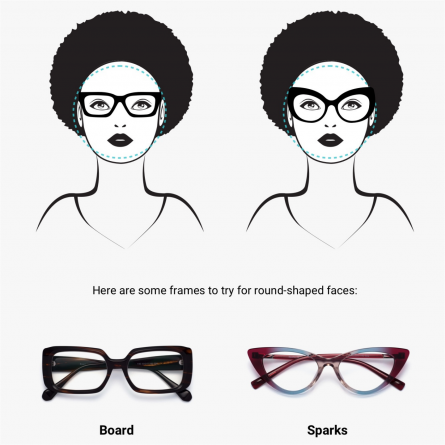
Frames that pair well with thicker minus lenses are full-rim acetate styles, because the rim hides more of the lens edge:


Your frame matters as much as the index
A thin lens in a very large frame can still look thick. The further the lens edge sits from your pupil, the thicker it gets for a minus prescription. A few frame tips help any index look its best:
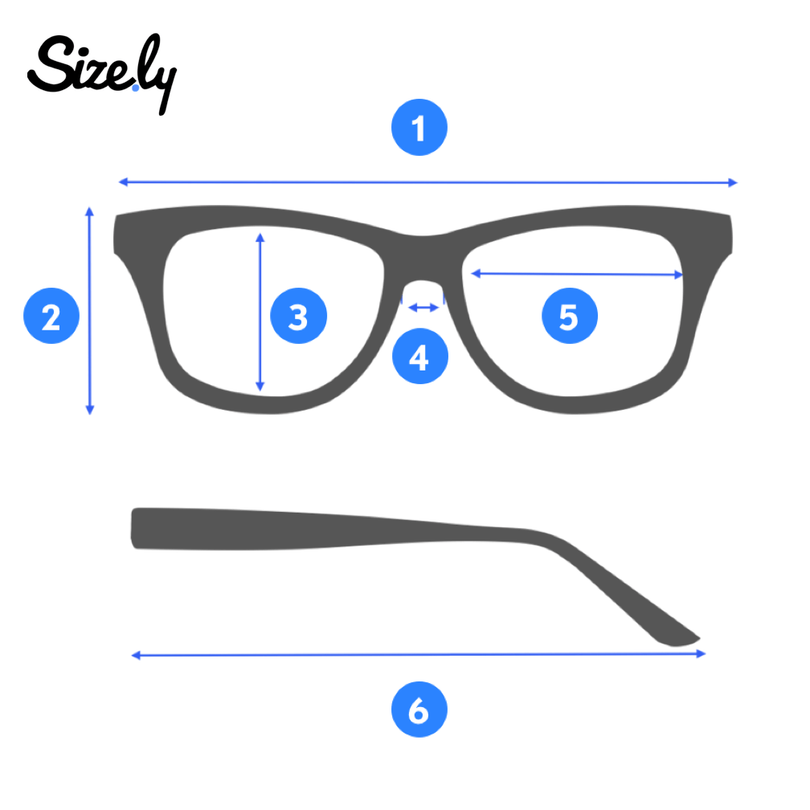
- Pick a moderate lens width. Smaller, well-centred lenses keep edges slim. Our frame size guide explains the numbers on the temple arm.
- Choose full-rim frames. Acetate frames have a thicker rim that hides lens edges well.
- Avoid rimless for strong prescriptions. Rimless designs show the whole lens edge.
- Measure your PD accurately. Well-centred lenses look cleaner. See how to measure pupillary distance.
Do higher index lenses have downsides?
Higher index materials are thinner, but there are trade-offs worth knowing:
- Price: each step up in index usually costs more.
- Reflections: higher index materials reflect more light, so an anti-reflective coating is especially worthwhile.
- Abbe value: some high-index materials show slightly more colour fringing at the edges of the lens. Most wearers do not notice this in daily use.
For low prescriptions, a very high index rarely pays off: the lens is already thin, so you mostly pay for a difference you cannot see.
Quick checklist before you order
- Note the strongest SPH value in either eye and check any CYL value.
- Match it to the index ranges in the table above.
- Choose a full-rim frame with a lens width that suits your face.
- Add an anti-reflective coating if you pick 1.61 or higher.
- Double-check your PD so the lenses are centred correctly.
If you sit between two ranges, the higher index is usually the safer choice for a slimmer look, while the lower one keeps the cost down. Both will give you the same prescription.
Frequently asked questions
Is 1.61 or 1.67 better?
Neither is better in general. 1.61 is a strong all-rounder for moderate prescriptions, while 1.67 makes more sense from about ±4.00 upwards, where the extra thinness becomes visible.
Is 1.56 too thick?
Not for low prescriptions. Up to about ±2.00, 1.56 lenses look slim in most frames, especially full-rim styles with a moderate lens width.
Are thinner lenses lighter?
Yes, usually. Less material means less weight, which many people find more comfortable on the nose for all-day wear.
Does lens index change how well I see?
Your prescription is the same at every index, so clarity is very similar. The main differences are thickness, weight, reflections and price.
Find your frame and choose your lenses
Pick a frame you love from our prescription glasses or browse all eyeglasses, then choose the lens thickness that suits your prescription. Add your prescription in a few clicks with our lens selector.